
March 24, 2026
Salt air, glassy canals, and a quick hop to the Atlantic. If you’re eyeing Lighthouse Point for a home on the water, you’re looking at one of South Florida’s most convenient boating bases. You want daily ease, not guesswork. In this guide, you’ll learn how ocean access works, where to keep and service your boat, what to verify at a property, and how to live the dock‑to‑dine routine like a local. Let’s dive in.
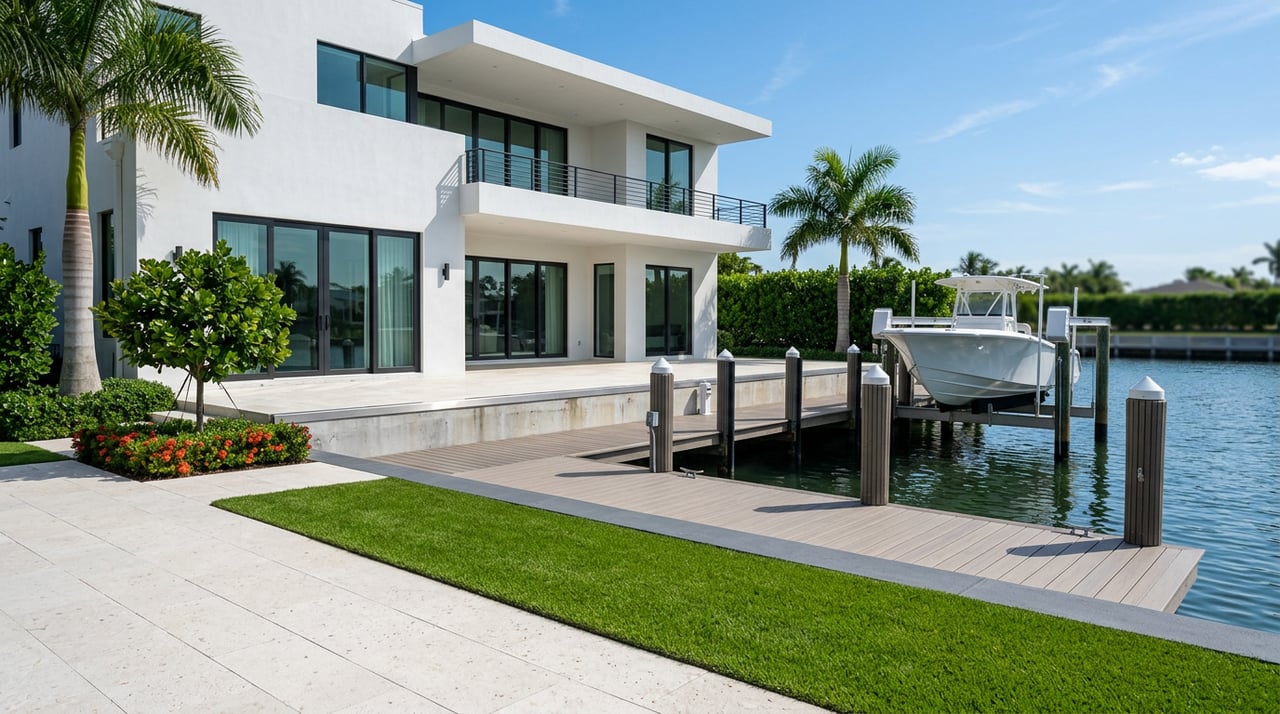
Lighthouse Point is built around a grid of bulkheaded canals that connect directly to the Intracoastal Waterway, with the Hillsboro Inlet at the city’s southeast edge. The city’s comprehensive plan highlights this waterfront layout and inlet proximity as defining features for residents who boat often. You can review the city’s canal and shoreline context in the municipal comprehensive plan.
For many homes, the run from a backyard dock to the inlet is measured in minutes. That is why local marinas and clubs emphasize short travel times and straightforward routing for offshore fishing or a quick cruise.
From most neighborhood canals you enter the Intracoastal, then head south to the Hillsboro Inlet for ocean access. This inlet is maintained, but conditions can shift, so smart boaters plan runs with current charts and local knowledge.
Canal depths vary by block and can change with shoaling. Before you buy, ask for the mean low water depth at the dock and recent soundings. Local guides consistently recommend verifying MLW at your slip rather than relying on marketing depth, a point echoed by regional boating write‑ups.
Most routes prioritize “no fixed bridge” access, but if your vessel has a tall air draft, confirm clearances for your exact path to the inlet and the Intracoastal mile markers near Lighthouse Point.
The Lighthouse Point Yacht Club offers a private, club‑based marina with fixed docks and slips for a range of vessel sizes, shore power options, dockside pump‑out, and mobile fueling by arrangement. For amenities and slip specs, see the Lighthouse Point Yacht Club marina page.
If you want the lifestyle without owning a boat, shared‑use options operate locally. Gulf Stream Boat Club markets Lighthouse Point for quick ocean access, noting you can be offshore in about seven minutes, which illustrates how close the inlet is for day trips. Explore their Lighthouse Point club offering.
For indoor storage and easy turnarounds, nearby Pompano Beach and Deerfield Beach offer full‑service and dry‑stack marinas. Aquamarina Hidden Harbour promotes itself as close to the Hillsboro Inlet and provides modern dry storage services. Learn more at Aquamarina Hidden Harbour. Larger haul‑out yards and service facilities are available across Pompano, Deerfield, and Fort Lauderdale if your vessel needs heavier work.
Trailer your boat or hosting visitors with a trailer? Pioneer Park in Deerfield Beach provides a public ramp with access to the Hillsboro Canal and the Intracoastal. Check hours, parking, and fees on the Pioneer Park ramp page.
Weekend routines here often include a short ICW cruise, lunch by the water, and a sunset ride home. A classic stop is the historic Cap’s Place, a beloved example of Lighthouse Point’s boat‑to‑restaurant culture. For details on docking and access, visit Cap’s Place. You will also find popular ICW waterfront restaurants a short cruise away in Pompano Beach and Fort Lauderdale.
Many single‑family waterfront homes include private docks with pilings, lighting, potable water, and electrical pedestals sized for modern shore power needs. Larger vessels often require 30, 50, or 100 amp service, similar to what you see at club marinas like Lighthouse Point Yacht Club.
Dock, lift, and seawall projects typically require local building permits, state environmental authorization, and, where applicable, U.S. Army Corps review, often through programmatic permits. Timelines and scope vary. You can see a representative federal review context in a Jacksonville District USACE public notice.
Peak boating and social season runs through fall and winter, with busy docks and weekend cruising from January through April. Hurricane season runs June 1 to November 30 in the Atlantic. Before summer, review your marina or club hurricane plan, haul‑out options, and insurance requirements. For official season dates and climatology context, consult the National Hurricane Center.
Ready to explore canal homes and slips that fit your vessel and lifestyle? For discreet guidance and private opportunities in Lighthouse Point and nearby waterfront enclaves, connect with The Buchbinder Group for a private consultation.
Stay up to date on the latest real estate trends.
Boca Raton, FL
Six under-the-radar enclaves where privacy, acreage, and character rival Boca's biggest names.
Buying
Inside Look Into South Florida's Luxury Market
101 N Federal Hwy 5th Fl
Boca Raton FL 33432