
May 21, 2026
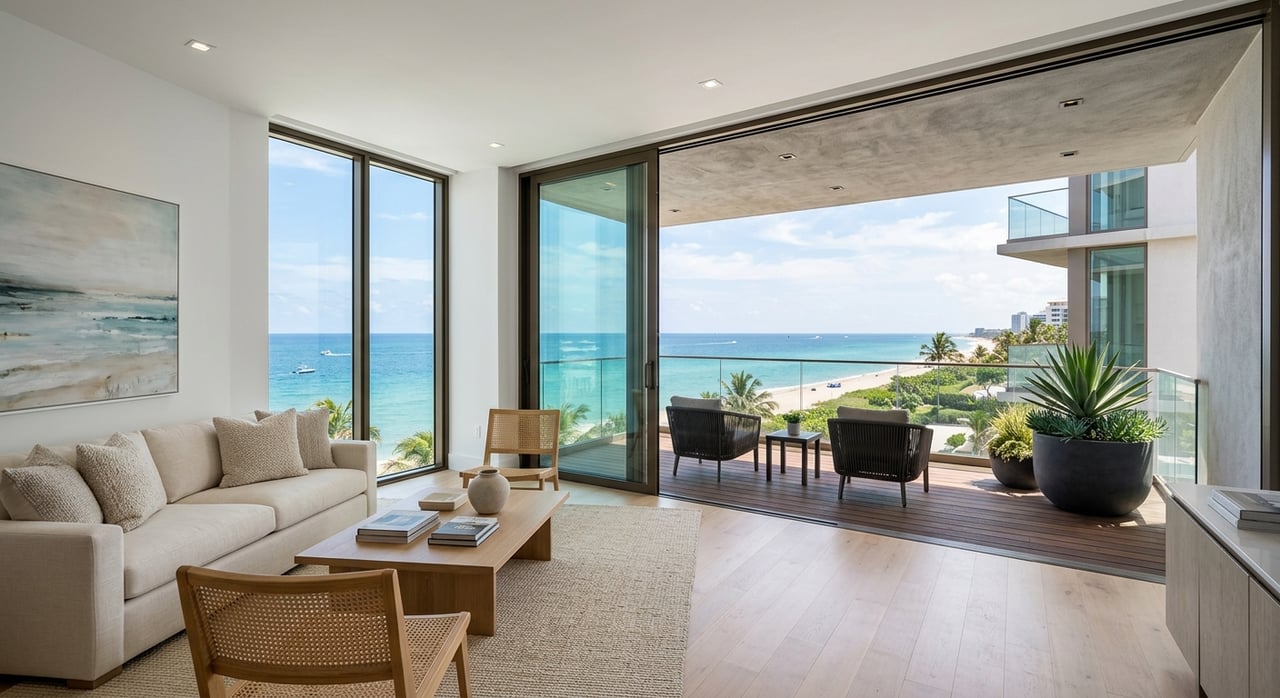
Wondering whether Fort Lauderdale luxury living is better in a high-rise condo or a single-family home? In this market, the answer is less about which option is "better" and more about which ownership style fits the way you want to live. If you are weighing privacy, boating access, maintenance, insurance, and long-term costs, understanding the local differences can help you make a smarter move. Let’s dive in.
Fort Lauderdale is not a typical luxury market. The city is defined by water, with 165 miles of navigable waterways, and Greater Fort Lauderdale is known for more than 300 miles of navigable inland waterways, along with marinas and boat-launch access. That setting makes the condo-versus-house decision especially important because dockage, flood exposure, and property upkeep can affect your day-to-day experience.
It also helps to understand that “luxury” means different things depending on property type. In MIAMI Realtors' Q1 2026 luxury report, the luxury threshold in Fort Lauderdale was $2.5 million for condos and townhomes, compared with $5.9 million for single-family homes. In other words, both can be luxury, but they often come with very different price points, ownership responsibilities, and lifestyle expectations.
A luxury condo often appeals to buyers who want a more managed, lock-and-leave lifestyle. If you split time between South Florida and another home, or you want less direct responsibility for building-level maintenance, a condo can offer a simpler ownership structure. That convenience is one of the main reasons many seasonal and second-home buyers start their search here.
Under Florida condo law, the association is generally responsible for common elements and major building-level insurance and reserve obligations. That means you are sharing part of the maintenance and risk burden with other owners rather than handling the entire property yourself. The tradeoff is that you also have less direct control over exterior decisions and must follow association rules.
When you buy a condo in Fort Lauderdale, you are often choosing a lifestyle centered on ease and shared management. Depending on the building and location, that can line up well with buyers who value convenience and a more turnkey experience.
Common condo advantages include:
Convenience does not mean fewer financial details to review. Florida law requires condo associations to maintain adequate property insurance, but the association policy does not cover everything inside your unit. Personal property and several interior items remain the unit owner’s responsibility.
You should also be prepared for the possibility of loss assessments. Florida’s consumer insurance guidance notes that owners may be assessed for damage to commonly owned areas if insurance coverage or reserves are not enough. That makes document review especially important in older or more complex buildings.
A single-family home gives you more direct control over both the structure and the land. If you want privacy, flexible outdoor space, room for customization, or more freedom in how you use the property, this route often makes more sense. For many luxury buyers, that sense of control is a major priority.
With that control comes broader responsibility. Florida’s homeowners insurance guide shows that a standard homeowners policy is designed to cover the structure, other structures, personal property, liability, and loss of use. In practical terms, that reflects how much more of the property’s upkeep, insurance planning, and repair timing falls directly on you.
Detached homes can be a strong fit if you want the property to operate on your timeline, not a building’s. This can be especially important in a waterfront market where outdoor living and site-specific features matter.
Common single-family advantages include:
The added control of a single-family home also means more direct exposure to maintenance and insurance costs. In Fort Lauderdale, flood insurance is a major part of the conversation because standard homeowners coverage does not include flood damage. If a home is in a Special Flood Hazard Area and financing is backed by a government-regulated lender, flood insurance is required.
It is also important to know that flood policies through the National Flood Insurance Program do not provide additional living expense coverage. So when comparing a house to a condo, look beyond the listing price and focus on the full ownership picture.
In Fort Lauderdale, boating access can shape your decision as much as square footage or views. The city’s waterways, canals, river access, marinas, and Intracoastal connections create real lifestyle opportunities, but not every waterfront property works the same way. A condo on the water and a house on the water can offer very different boating realities.
If boating matters to you, verify the details property by property. The key questions are whether the deed, dock setup, or association rules allow private slips, lifts, or marina use. Waterfront branding alone is not enough to confirm how you can actually use the property.
One of the biggest mistakes luxury buyers make is comparing condos and houses based only on purchase price. In Fort Lauderdale, the cleaner comparison is total carrying cost. Two properties at similar price points can feel very different once you account for monthly obligations and risk exposure.
For condos, your monthly picture often includes:
For single-family homes, your monthly picture often includes:
Neither option is automatically cheaper. They simply package ownership costs in different ways.
If you are considering a condo in Fort Lauderdale, reserve and inspection rules deserve real attention. For residential condo buildings that are three habitable stories or higher, Florida law requires a structural integrity reserve study at least every 10 years. Milestone inspections apply when a building reaches 30 years of age, and in coastal circumstances, the first inspection may be required at 25 years.
These rules matter because they affect budgeting, future repair planning, and the possibility of special assessments. As of budgets adopted on or after December 31, 2024, unit-owner-controlled associations that must obtain a structural integrity reserve study cannot vote to use reserve funds for other purposes. The law also warns that waiving reserves can expose owners to unexpected special assessments.
Some buyers assume condos and houses are treated very differently for homestead purposes, but that is not really the core distinction. In Florida, if you make the property your permanent residence, you may be eligible for a homestead exemption that can reduce taxable value by as much as $50,000. That benefit is about primary residence use, not whether the home is attached or detached.
So if you are deciding between a condo and a house, focus first on lifestyle, carrying cost, insurance structure, and ownership control. Those are usually the factors that shape satisfaction over time.
No matter which direction you are leaning, a few local questions can sharpen your search quickly. In a market as nuanced as Fort Lauderdale, the best decisions come from matching the property to your intended use and your comfort level with responsibility.
Ask for and review:
Florida law requires milestone and reserve disclosures in condo sales, and associations must distribute the milestone summary and structural integrity reserve study to owners. Those documents can tell you a lot about future costs and building planning.
Ask about:
Because flood coverage is separate from standard homeowners coverage, understanding the insurance stack is essential before you commit.
Make sure the property supports the way you actually plan to live. That includes questions around:
If you value a more managed lifestyle, easier seasonal ownership, and shared building responsibility, a luxury condo may be the better fit. If you value privacy, direct control, land use flexibility, and a more independent ownership structure, a single-family home may serve you better.
In Fort Lauderdale, this choice is really about two different ownership bundles. A condo often trades some private control for shared maintenance and easier lock-and-leave living. A house usually trades convenience for more privacy, flexibility, and direct control over the property.
The right decision comes down to how you want to live on the water, near the water, or in the heart of the city. If you want a clear, discreet strategy for comparing Fort Lauderdale luxury condos and single-family homes, The Buchbinder Group can help you evaluate the options with the level of detail this market demands.
Stay up to date on the latest real estate trends.

Local Knowledge & Lifestyle
Navigating a Yachting Lifestyle.

Boca Raton, FL
Where Luxury Living Meets Exceptional Cuisine

Boca Raton, FL
Travel Ideas For Your Next Trip to Boca Raton, Delray Beach, Palm Beach, Fort Lauderdale, Miami Beach and The Florida Keys

Boca Raton, FL
Your gourmet guide to luxury living.
Exploring Boca Raton’s 2025 housing market forecast.
Boca Raton, FL
The five most sought-after gated communities in Boca Raton.

Local Knowledge & Lifestyle
Your Month-by-Month Guide to Boca Raton & Beyond

Explore the top Sunday brunch spots in Boca Raton, from upscale dining to cozy Southern comfort.

101 N Federal Hwy 5th Fl
Boca Raton FL 33432